livro
Sinópse
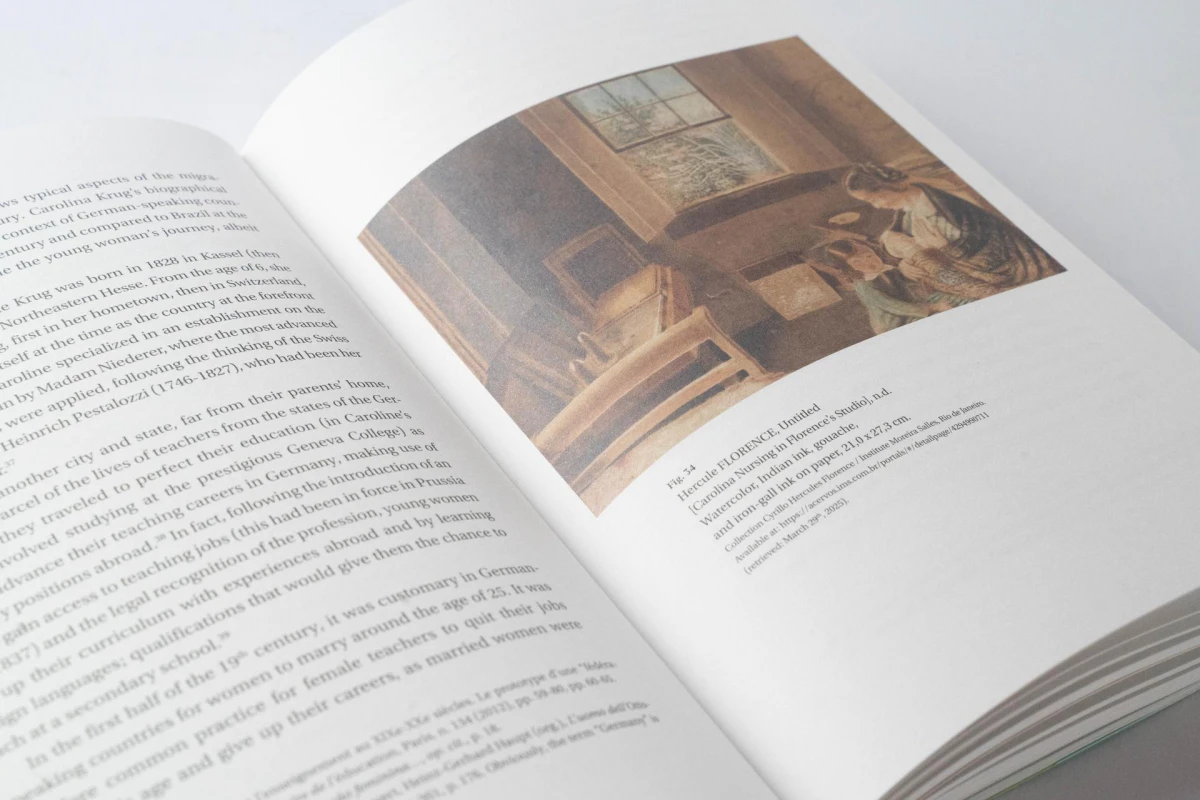
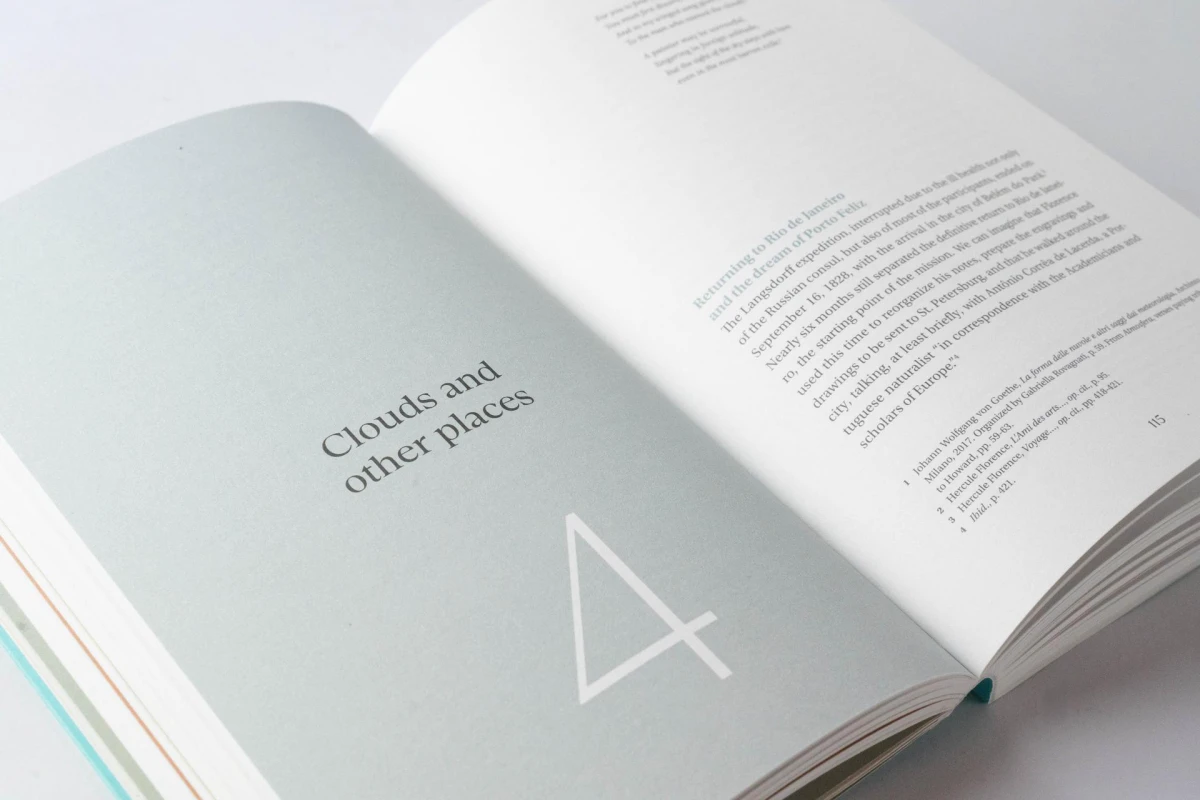
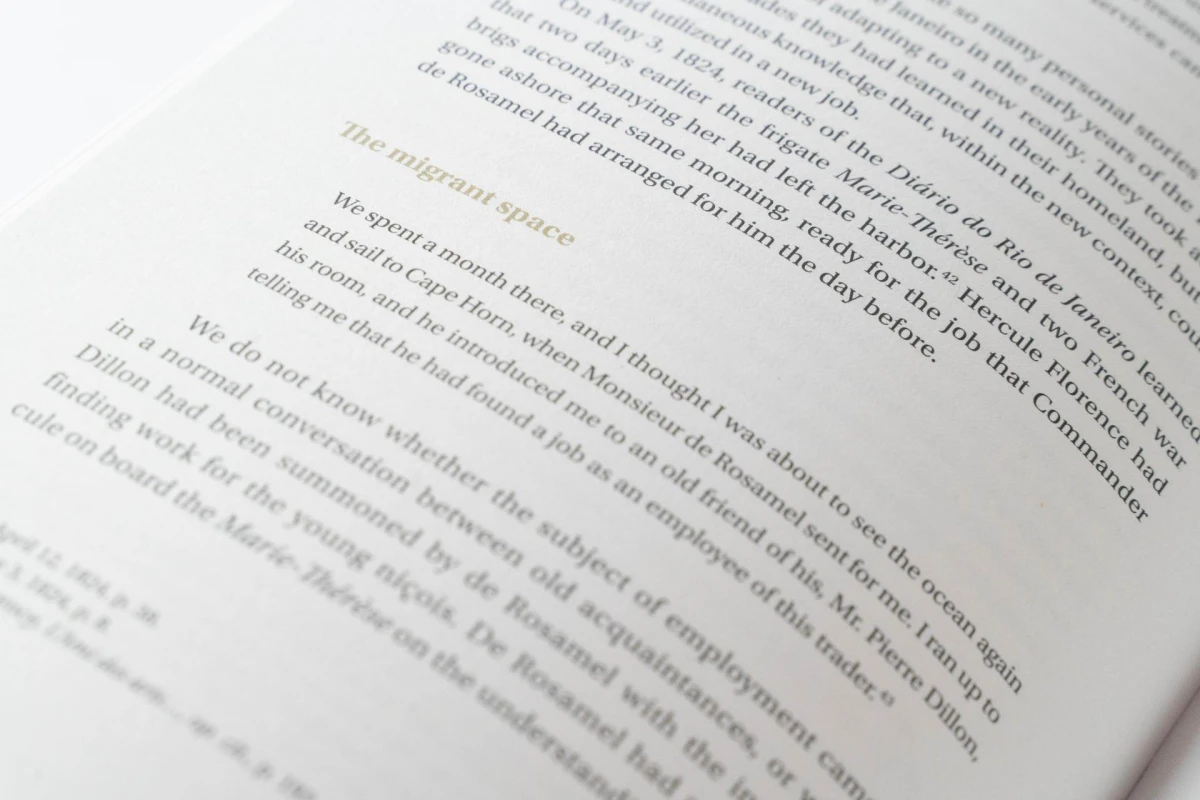
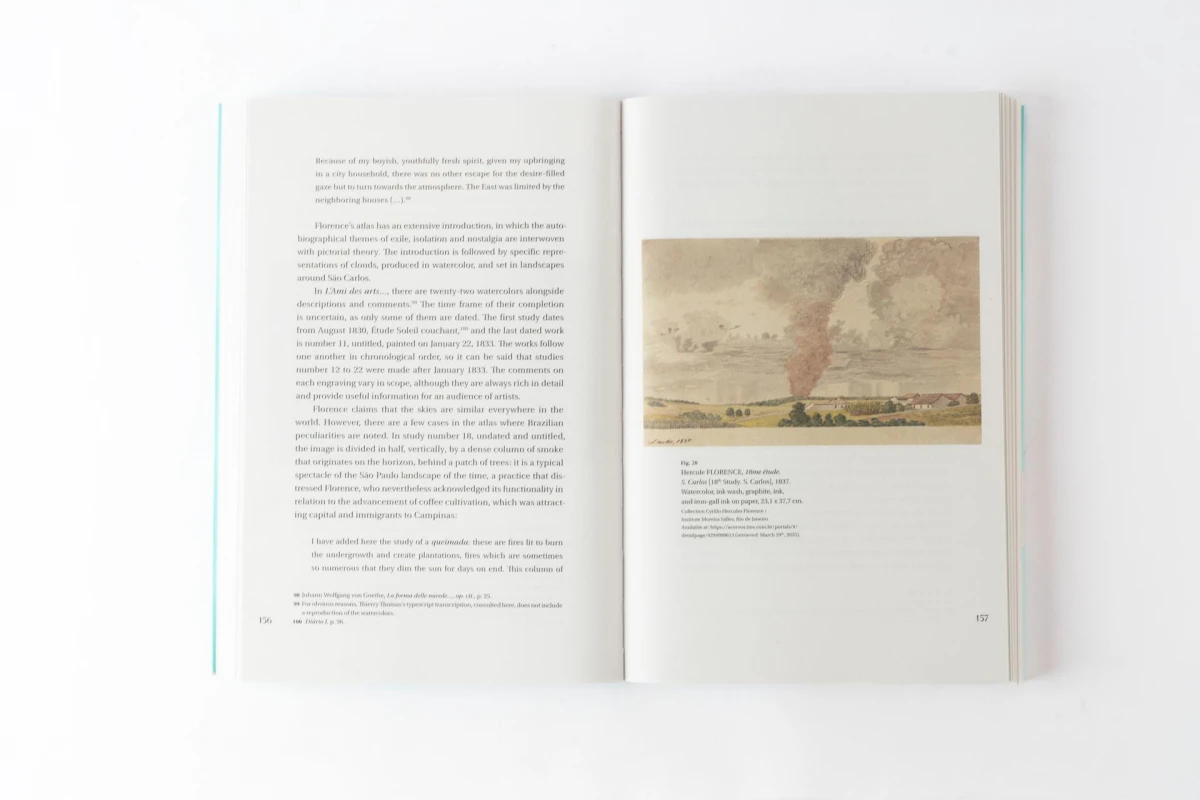
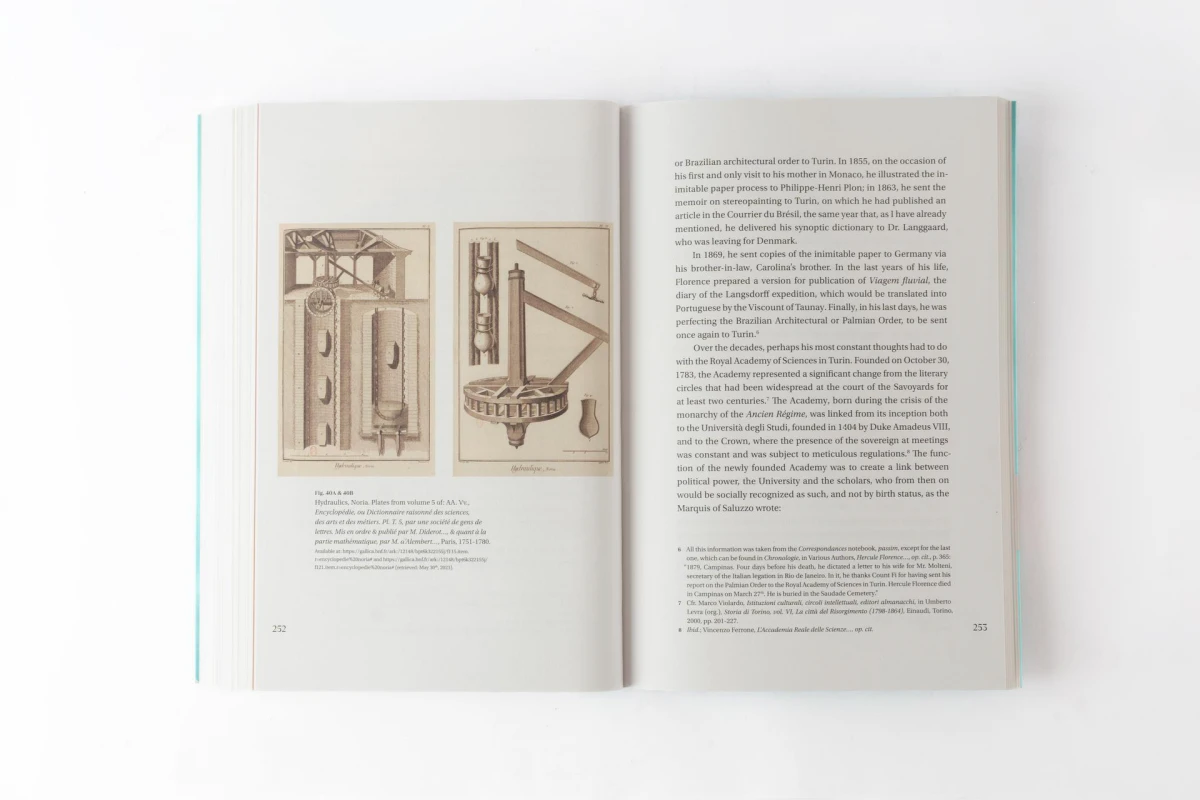
Migrant Cartography, by Chiara Vangelista, is one of those rare works that are born classics. The brilliant Italian historian, who has already gifted us with prolific studies on our indigenous peoples and on immigration, among other stimulating themes, now presents us with this beautiful book dedicated to Hercule Florence, a figure that any scholar of 19th-century Brazil will hardly be unaware of. The narrative of the scientific voyage he undertook between 1825 and 1829 alongside Baron von Langsdorff, the drawings he produced during and after this journey, and the fact that he was the first to invent photography make Florence one of the cornerstone figures of Brazilian and universal history.
But the Hercule Florence who emerges from the pages of Migrant Cartography is an even more complex, multifaceted, and multinational figure — Monegasque, Italian, and French — whose significance indelibly marks key issues in events that occurred on both sides of the Atlantic.
Vangelista's purpose was "to investigate the social space of Hercule Florence", but she did much, much more. She delved into his qualities as an explorer, draftsman, painter, memoirist, cartographer, teacher, farmer, head of family, and inventor. She revealed a pessimistic man, riddled with contradictions, who self-constructed as an exile and social outcast; someone who lived in constant and anxious searches for himself and for recognition and respect from the society where he lived. A fascinating character!
The author used her vast and erudite historical and cultural background and employed her characteristic methodological rigor, perspicacity, and fine sensitivity to trace Florence's steps from his adolescence in Monaco to his last days in Campinas, São Paulo. She pored over papers, images, and maps kept in Brazilian and Italian archives, consulted unpublished documents, and examined the bibliography critically and contextually, considering the multiple historical, social, and cultural threads that surrounded Florence. Without a doubt, his greatest guiding light was Hercule's autograph papers — letters, memoirs, projects — which are now preserved at the Instituto Hercule Florence (IHF). In these writings, our protagonist, besides incessantly discussing life and projects, complains about existence, anxieties, and frustrations.
It is true that many of these writings had been used by other researchers. And they were essential to the compelling biography that Estevam Leão Bourroul dedicated to Florence in 1900. But Bourroul could not, or did not want to, distance himself from the character, constructing a laudatory compendium that almost always obscures the figure of the biographee.
Additional technical information:
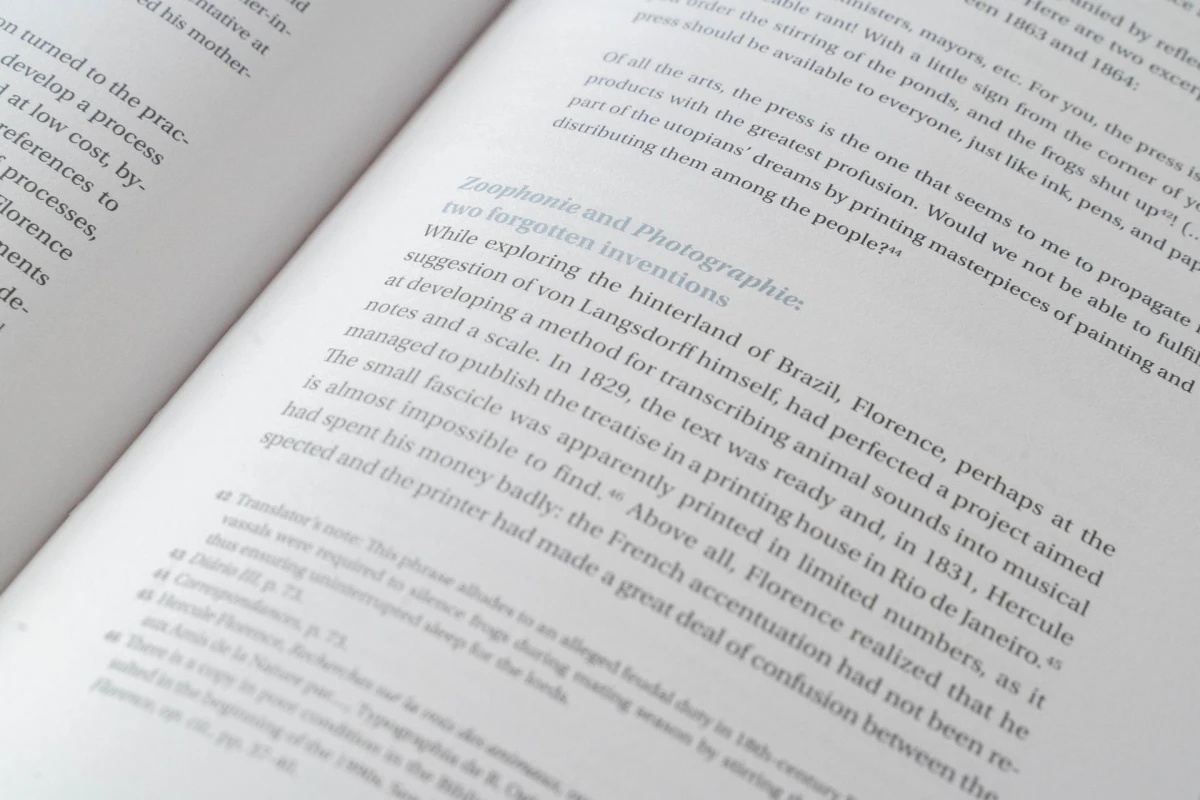
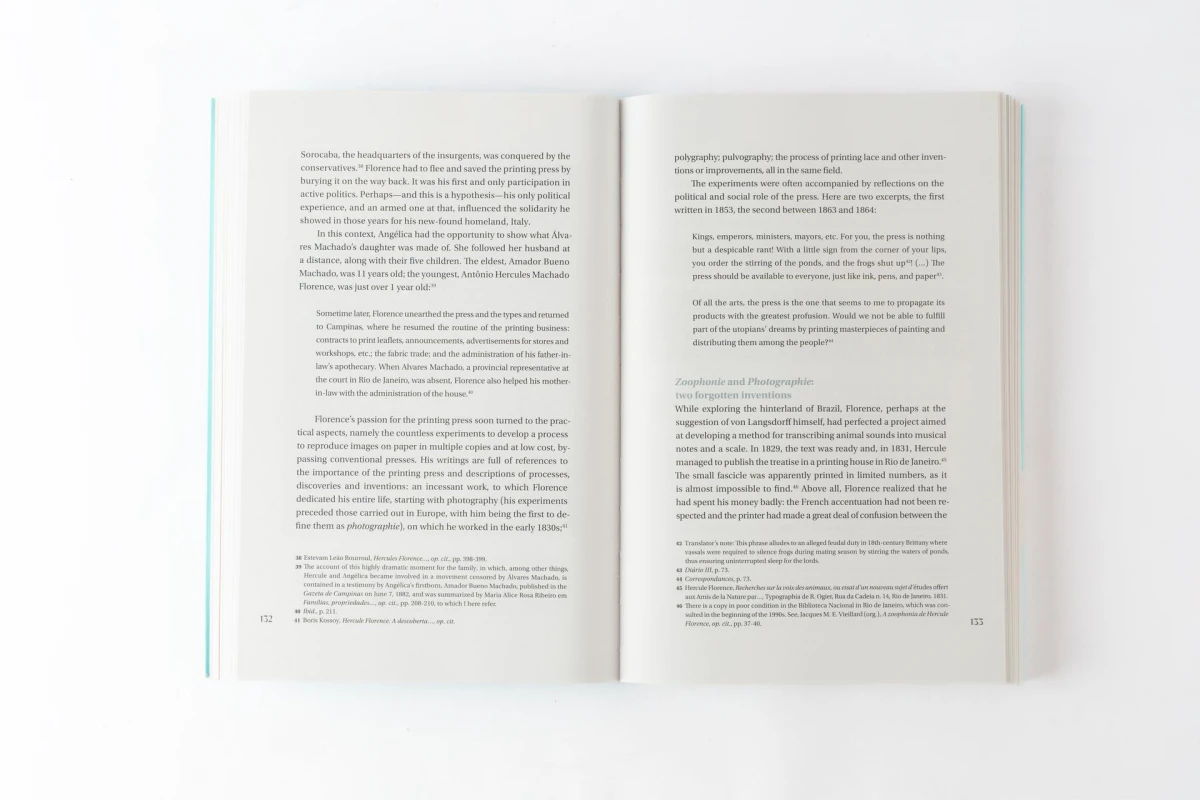
Graphic design, layout and image processing: Casa Rex
Additional research for the English edition: Francis Melvin Lee
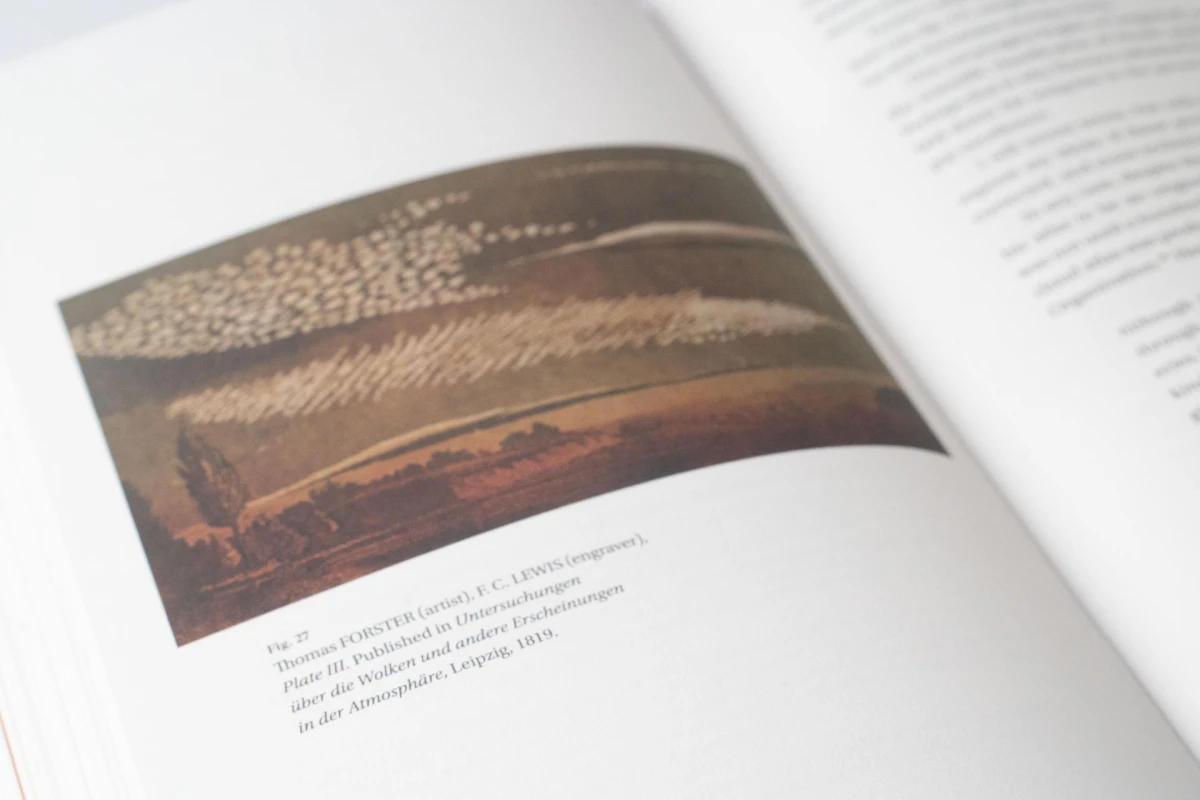
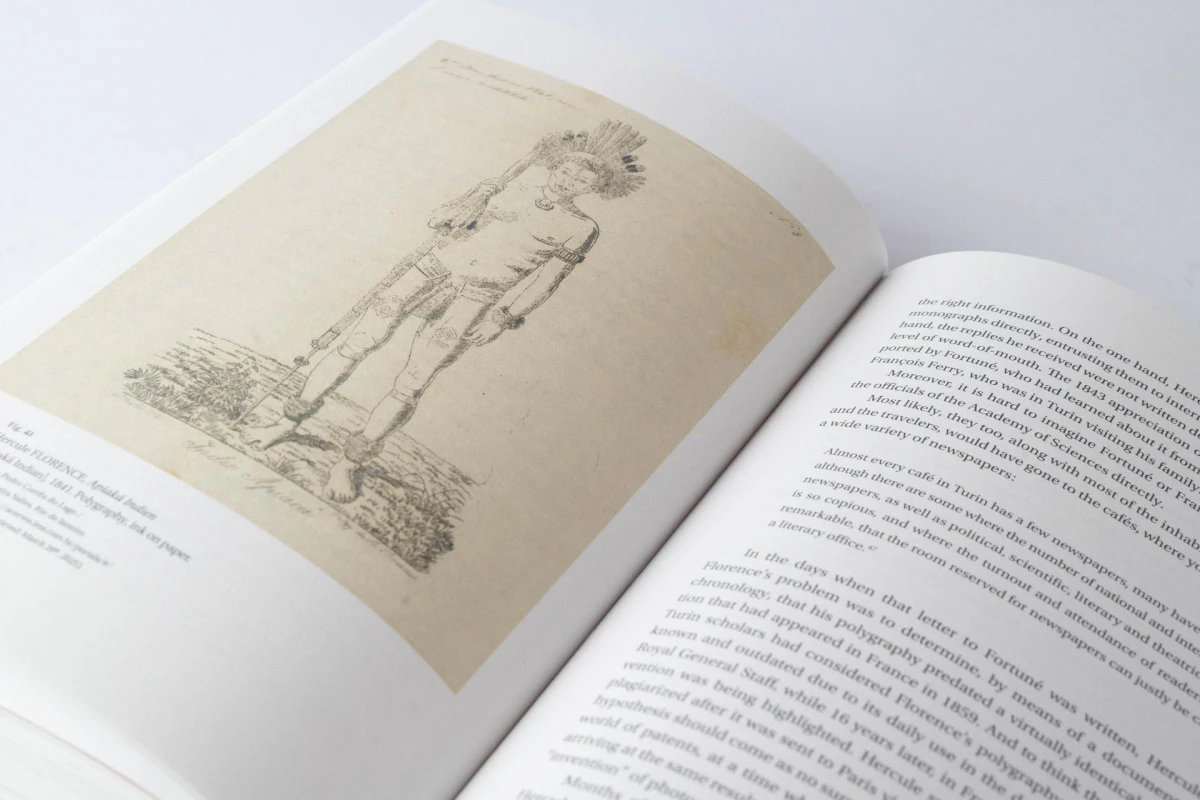
Image captions: Francis Melvin Lee
Text preparation: Sofia Hernandorena
Vídeo
- Autor(es)
- Vangelista, Chiara
- Editora
- IHF Portugal
- Ano
- 2026
- Edição
- 1
- ISBN
- 978-989-36277-1-6
- Páginas
- 348
- Tradutor(es)
- Carol Colffield Lopez
- Idiomas
- English
40,00